

Tesla and SpaceX Announce $16.8 Billion Terafab Chip Factory in Texas
Tesla and SpaceX confirmed on August 6 that their joint semiconductor facility, Terafab, will be built in Grimes County, Texas with an initial investment of $16.8 billion. The facility will span 100 million square feet, making it ten times larger than Tesla’s Giga Texas plant and what Elon Musk calls “the largest and most valuable building on Earth.” (TechCrunch)

Terafab is designed to produce chips for Tesla’s Optimus robots and Cybercabs, plus high-power processors for SpaceX’s planned space-based data centers. A chip fabrication facility, or fab, is a factory where semiconductor chips are manufactured from raw materials through complex processes involving photolithography, etching, and layering. The companies claim the facility will eventually produce chips with a combined output equivalent to 1 terawatt of compute per year, though the $16.8 billion figure represents only the first phase, down from an initial $25 billion headline announced in March. (Electrek)
At this point, Terafab has been described as only a “general framework” with no binding commitments and no finalized intellectual property split between the two companies. Reports from April suggested Intel would handle the actual manufacturing, not Tesla. The Grimes County site will employ at least 3,000 workers and could expand through multiple phases, but the paper trail shows a lot remains undecided. (Electrek)
Watch whether Intel’s involvement is formalized and whether phase two funding materializes.
Energy Vault Signs 1.25 GW Battery Deal for Off-Grid Texas Data Center
Energy Vault signed a deal on August 10 to supply battery energy storage systems (BESS), grid-forming power conversion systems, and AI infrastructure control software for a 1.25 GW integrated power deployment at a hyperscale data center in Texas. The developer remains unnamed. (DCD)
The deployment is fully off-grid, meaning the data center will avoid traditional utility interconnection queues entirely by generating and storing its own power on-site. Initial deployments begin within the next four to twelve months. This is Energy Vault’s largest deal to date and signals a shift toward self-sufficient data center power strategies as interconnection delays stretch five to seven years in many regions. (DCD)
HD Hyundai Wins $674 Million Deal to Power US Data Centers
HD Hyundai Heavy Industries secured a $674 million contract on August 10 to supply 1,000 MW of power generation equipment for US data centers operated by a major tech company. The South Korean firm will provide generating systems based on its 9.6-megawatt HiMSEN engines to US energy infrastructure developer Corban Energy Group. (UPI)
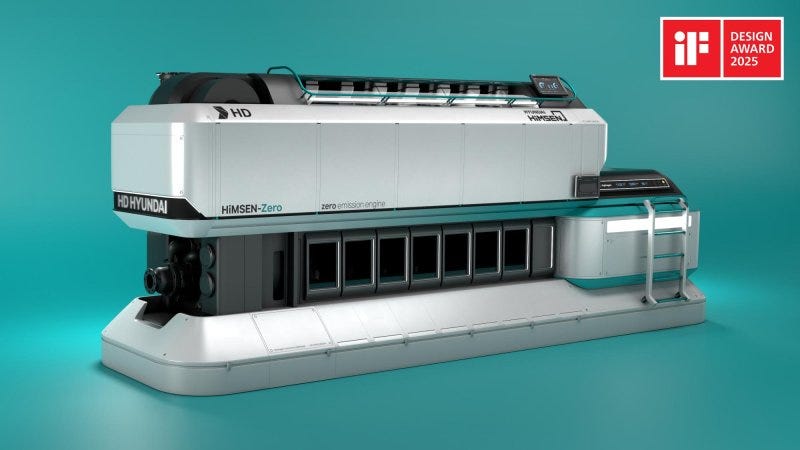
This is the largest power-generation engine supply agreement HD Hyundai Heavy Industries has signed. The deal reflects surging AI demand driving investment in electricity infrastructure, particularly in markets where grid interconnection timelines make on-site generation the only viable path to power. (UPI)
NRG Energy Backs $3.2 Billion Gas Plant for Unnamed AI Hyperscaler
NRG Energy revealed on its August 4 earnings call that it reached commercial terms with an unnamed global cloud and AI hyperscaler to build a 1.2-gigawatt combined-cycle gas plant in Texas, a $3.2 billion investment. A combined-cycle plant burns gas in one turbine, then reuses the leftover heat to spin a second turbine, squeezing more power out of the same fuel. NRG is calling it a “bring your own power” deal, where the tech company underwrites an entire new plant instead of waiting in line for grid capacity. (Utility Dive)
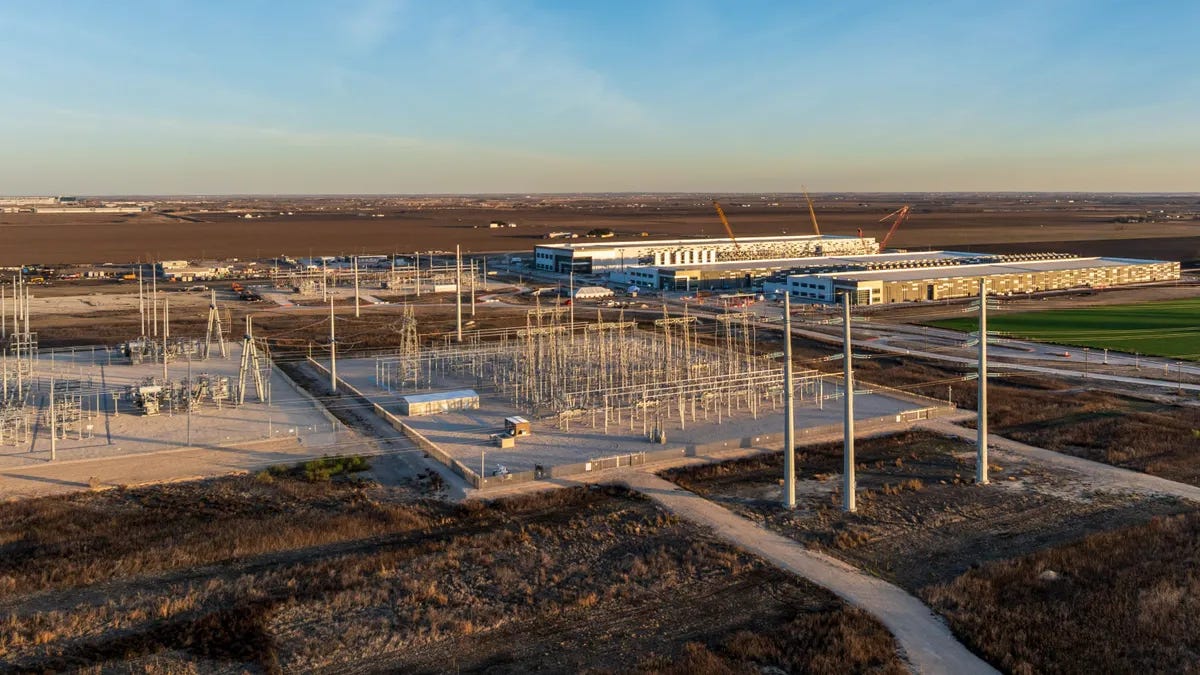
NRG expects the plant online in late 2029 and says it could double to 2.4 gigawatts in a second phase. The deal helped push NRG’s adjusted earnings up 34% year over year, and it is the clearest sign yet that gas, not just batteries and generators, is becoming a core financing vehicle for AI power demand. (Investing.com)
Constellation Signs 920 MW of New Nuclear Power Deals
Constellation Energy reported on August 5 that it signed 920 megawatts of new long-term nuclear power purchase agreements with investment-grade customers, contracts that run 15 to 20 years and start delivering power between 2029 and 2032. One deal gives Walmart access to 176 megawatts from the Dresden Clean Energy Center in Illinois, funding a 30-megawatt uprate, an upgrade that increases a reactor’s output without building anything new. (Businesswire)
Corporate buyers are now locking in nuclear power years before the added capacity even exists. That is a bet on scarcity: companies would rather commit early than compete for the same shrinking pool of reliable, carbon-free electrons once AI demand fully hits the grid. (Motley Fool)
Base Power Raises $1 Billion for Residential Battery Storage
Base Power announced on August 3 that it raised $1 billion in Series D funding, valuing the company at a $13 billion post-money valuation. The round came less than a year after its previous billion-dollar raise. (TechCrunch)
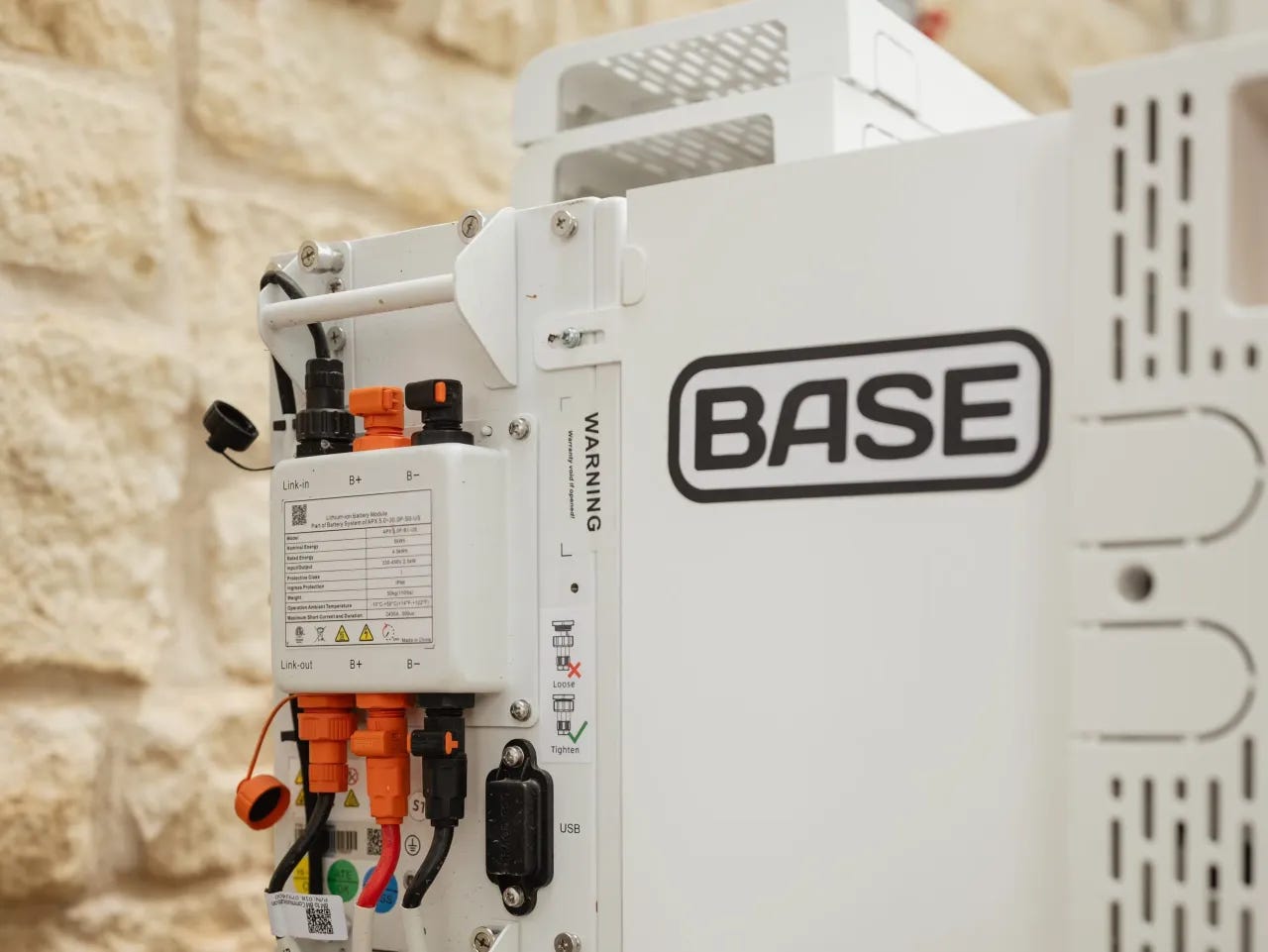
Base Power installs batteries in residential backyards rather than on large industrial sites, aggregating them into a virtual power plant. A virtual power plant is a network of distributed energy resources, like home batteries or solar panels, coordinated through software to act as a single power source for the grid. The startup has installed more than 500 megawatt-hours of storage and is installing about 100 batteries per day, with plans to double that rate by year-end. The model bets that distributed residential assets can beat utility-scale storage on speed and grid integration. (TechCrunch)
Avantus Closes $1.05 Billion Facility for Solar and Battery Pipeline
Avantus closed a $1.05 billion corporate credit facility on August 3, doubling its previous facility to fund a 24-gigawatt pipeline of solar and battery storage projects across California and the Desert Southwest. The pipeline includes 13 gigawatts of solar paired with 44 gigawatt-hours of storage, batteries that bank cheap daytime solar power and release it after dark. (PV Tech)
Independent power producers are still finding cheap capital for renewables even as federal policy tilts hard toward gas and nuclear for new data center load. Solar and storage remain the fastest thing to build when a grid operator needs new capacity now. (PV Tech)
DOE Issues Emergency Grid Orders for Puerto Rico and Guam
The Department of Energy issued emergency orders on August 5 and August 7 under section 202(c) of the Federal Power Act to the Guam Power Authority and the Puerto Rico Electric Power Authority. The orders direct both utilities to operate specified generation units to meet anticipated electricity demand and maintain reliability. (DOE)
The Puerto Rico order remains in effect through November 7, 2026, and also mandates vegetation management and asset management for transmission facilities. The Guam order followed an application from the utility submitted on August 4. Section 202(c) authority allows DOE to override environmental or economic restrictions during grid emergencies, a tool used sparingly but increasingly as summer heat and power demand strain island grids. (DOE)
Interior Department Pays RWE $1.22 Billion to Kill Offshore Wind Leases
The Department of the Interior agreed on August 6 to pay German utility RWE $1.22 billion so the company will abandon its offshore wind leases off New York, California, and Louisiana. RWE said it found “no path forward to permit these projects in the US for the foreseeable future,” after having already invested more than a billion dollars in the sites. (Offshore Wind)
This is the largest offshore wind lease buyback the current administration has completed, part of nearly $4 billion spent so far paying developers to walk away from wind in favor of fossil fuel projects. Watch whether other European developers with US offshore leases, like Orsted and Equinor, take similar settlements. (RWE)
PJM Weighs New Reliability Rules After 3.8 GW of Virginia Data Centers Tripped Offline
PJM Interconnection, the grid operator serving 13 mid-Atlantic and Midwest states, said on August 11 that it is considering new reliability requirements for data centers and crypto-mining facilities after 3,800 megawatts of Virginia data center load tripped offline on July 22, the largest such event in PJM’s history. A fault on a 230-kilovolt transmission line triggered the disconnect, and the data centers’ internal protection systems automatically shifted the facilities onto backup generators instead of riding out the disturbance. (Utility Dive)
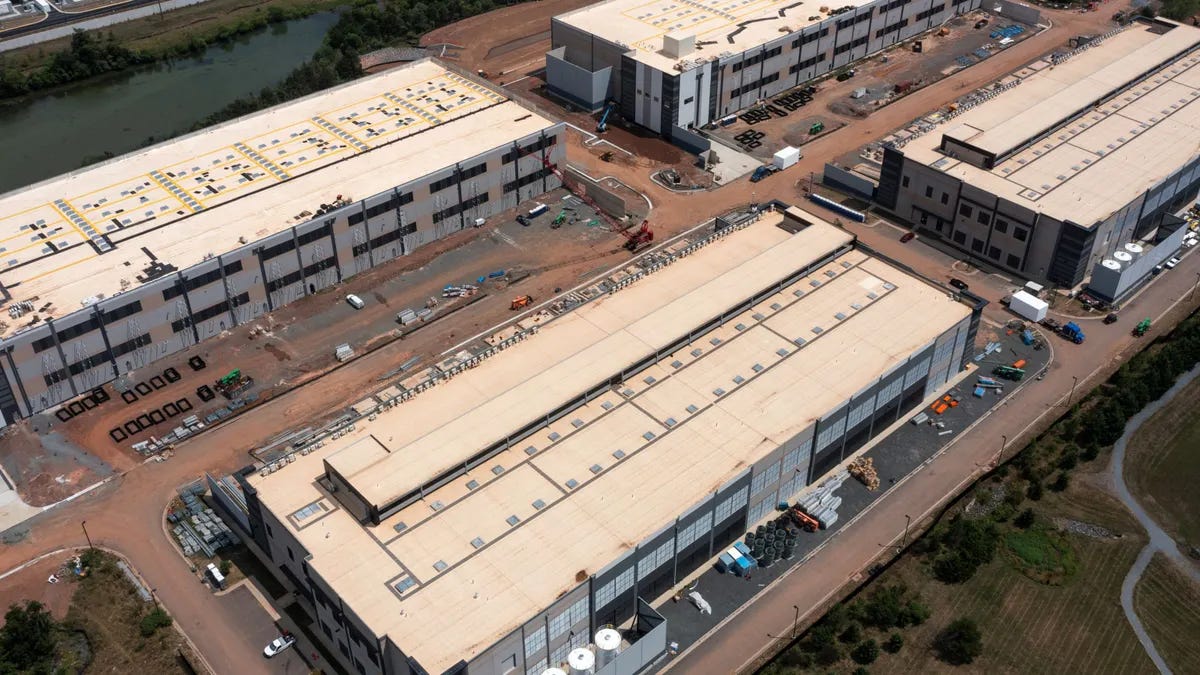
PJM is now weighing “ride-through” standards, rules that would require data centers to stay connected to the grid during brief voltage disturbances rather than automatically disconnecting. The July event knocked out roughly 3% of PJM’s total demand at the time and took about ten minutes to stabilize, and it lands as data centers keep growing as a share of the grid’s total load. (RTO Insider)
Wood Mackenzie: Most of the Power Utilities Are Being Asked to Supply AI Data Centers Will Never Get Built
Wood Mackenzie found that US grid operators and utilities are likely to commit to only about 28% of the 1,066 gigawatts of power that data center developers have requested, according to research reported on August 12. The remaining roughly 768 gigawatts is what the firm calls “phantom load,” speculative capacity requests filed with multiple utilities at once by developers with no binding commitment to actually build. (Bloomberg)
A gigawatt is roughly the output of one large nuclear reactor, so the gap between what is requested and what is realistic amounts to hundreds of reactors’ worth of power that will never get built. The finding complicates planning for utilities sizing new gas plants and transmission lines around demand that may not be real, and it is the clearest data point yet for skeptics who think the AI power boom is overstated. (TFTC)
Have fun this weekend, that’s an order,
Will
Sources
Tesla and SpaceX will invest $16.8B to start building ‘Terafab’ chip factory in Texas | TechCrunch
Tesla, SpaceX confirm ‘Terafab’ chip fab site, $16.8B first phase | Electrek
Energy Vault signs 1.25GW power supply deal with Texas data center developer | DCD
HD Hyundai wins $674 million U.S. data center power deal | UPI
NRG nears 1.2-GW hyperscaler deal amid Texas data center pause | Utility Dive
NRG Energy Q2 2026 slides: major data center deal amid earnings miss | Investing.com
Constellation Reports Second Quarter 2026 Results | Businesswire
Constellation Signed 920 Megawatts of New Power Deals, Including a Walmart PPA | The Motley Fool
Base Power raises another $1B to save the grid using backyard batteries | TechCrunch
US Government Reaches USD 1.2 Billion Offshore Wind Exit Deal with RWE | Offshore Wind
PJM eyes data center, crypto reliability standards after 3.8 GW of load trips offline | Utility Dive
Line Fault Causes 3 GW in Data Center Load to Drop in Virginia | RTO Insider
Most Electricity Sought for AI Data Centers in US Will Never Materialize | Bloomberg
Wood Mackenzie: 72% of US AI Data Center Power Requests Are Phantom Load | TFTC