

PJM Drops Oklo’s 750 MW Nuclear Project From Interconnection Queue
Oklo filed an emergency complaint at FERC on August 28 after PJM Interconnection withdrew a 750 MW mixed-technology project from its interconnection study cycle on August 3. PJM is the grid operator covering 13 states from New Jersey to Illinois. The project combines 150 MW of advanced nuclear capacity with 300 MW of fuel cells and 300 MW of natural gas generation.
PJM pulled the project citing application shortcomings, specifically that Oklo failed to demonstrate the project could ride through a sudden drop in grid voltage, a stability requirement known as low-voltage ride-through. Oklo argues PJM violated its own tariff by failing to flag the problem and allow time to fix it before withdrawal. The removal pushes the project back at least 14 months and significantly increases development costs.
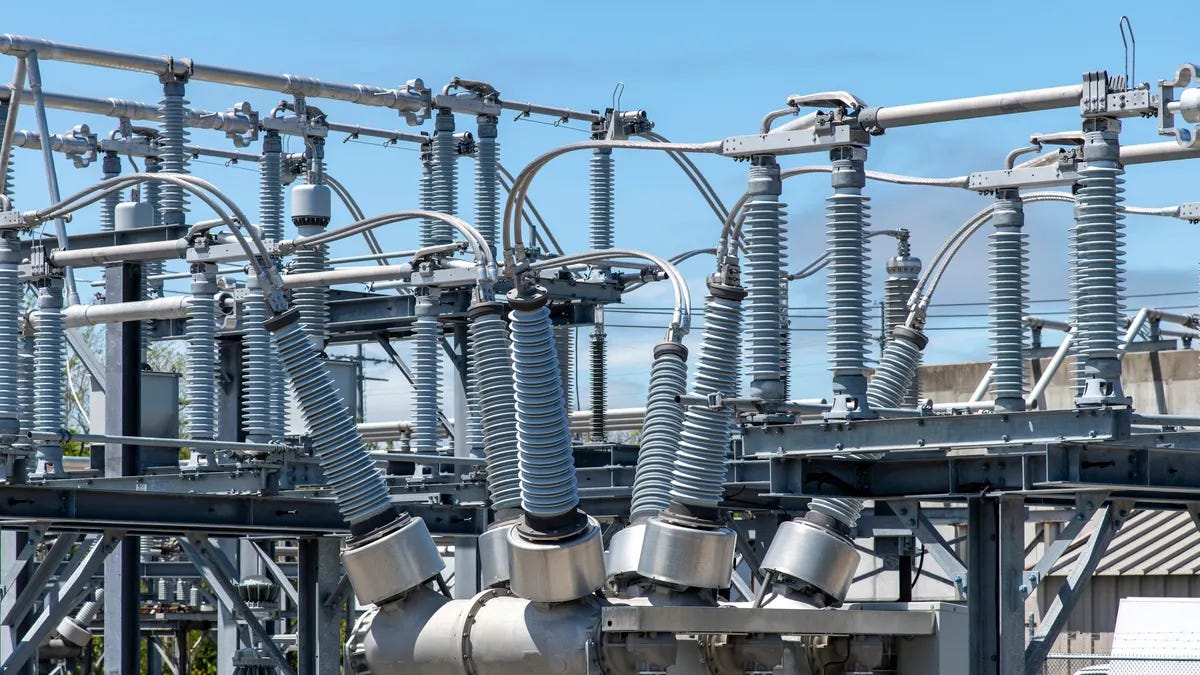
The disputed project is part of Oklo’s Meta-backed Pike County, Ohio campus, one of the advanced nuclear data center sites the company is developing. PJM’s interconnection rules were designed for conventional power plants, not hybrid projects mixing synchronous generators like gas turbines with inverter-based resources like fuel cells. That mismatch is creating friction across the industry as advanced nuclear developers try to pair reactor output with other generation types. (Utility Dive)
Anthropic Signs $45 Billion Compute Deal With Nscale
Anthropic committed $45 billion over six years for 460 megawatts of AI computing capacity at Nscale’s Monarch Compute Campus in Mason County, West Virginia. Bloomberg reported the agreement on August 26, with CNBC and Reuters confirming the terms from sources familiar with the deal. Neither company has publicly confirmed the agreement.
The deal grants Anthropic access to compute starting in late 2027, with systems expected to run on Nvidia’s Vera Rubin processors, Nvidia’s next-generation AI chip designed for large-scale training and inference workloads. Power comes from Caterpillar natural gas generator sets operating as an on-site microgrid rather than a traditional grid interconnection, letting Nscale sidestep the queue entirely.

The reported terms imply $16.3 million per megawatt per year. Microsoft previously held a letter of intent for the same Monarch capacity but walked away during a summer 2026 portfolio review of its data center holdings. The Anthropic agreement replaces Microsoft as anchor tenant and gives Nscale contracted revenue to support a potential US IPO. When finished, the Monarch campus is expected to reach approximately 1.35 GW in its first phase.
This is the eighth major compute corridor for Anthropic and one of the largest single AI infrastructure commitments announced this year. West Virginia Governor Patrick Morrisey called it “an extraordinary vote of confidence” in the state’s energy resources. (CNBC)
Siemens Energy to Manufacture Rolls-Royce SMR Turbines in Newcastle
Siemens Energy announced September 4 that its Newcastle facility will manufacture steam turbines and high-pressure valve casings for Rolls-Royce SMR’s small modular reactors being built on Anglesey in North Wales. The work takes place at the CA Parsons Works site, the same facility that built turbines for the Calder Hall nuclear station, the world’s first commercial nuclear plant, in the 1950s. It is the first time SMR turbine components will be manufactured anywhere in Europe.
The contract supports more than 550 jobs at the Newcastle plant. Under the exclusive partnership Siemens Energy and Rolls-Royce SMR signed in February 2025, Siemens Energy is the sole supplier of steam turbines, generators, and auxiliary systems for the UK fleet of Generation III+ modular reactors. Each Rolls-Royce SMR is designed to produce up to 470 MW of electrical output, enough to power approximately 1.1 million homes.
UK Energy Secretary Miatta Fahnbulleh visited the Shields Road facility on September 4 and called the deal “what our golden age of nuclear looks like in practice.” The first Rolls-Royce SMR units are targeted for operation in the early 2030s. Hyperscalers including Microsoft, Google, Amazon, and Meta have collectively committed to more than 20 GW of nuclear-backed power for AI data centers globally, making SMR supply chain capacity a genuine bottleneck. (Northumberland Gazette)
Tesla and SpaceX Confirm Terafab Chip Factory in Grimes County, Texas
Tesla and SpaceX confirmed that their jointly developed semiconductor factory, called Terafab, will be built in Grimes County, Texas, with an initial investment of $16.8 billion and a planned workforce of at least 3,000 people. The facility will span more than 100 million square feet, roughly ten times larger than Tesla’s Gigafactory Texas. Terafab will combine logic chip fabrication, memory production, advanced packaging, and testing under one roof, producing chips for Tesla’s autonomous vehicles and robots as well as SpaceX’s planned space-based data centers.
The announcement followed a county commission meeting where hundreds of residents raised concerns about tax incentives and site transparency. The project received a 78% property tax abatement, lower than what comparable facilities have received elsewhere in Texas. The $16.8 billion figure represents the first phase, below the $25 billion originally discussed when the project was announced in March 2026. SpaceX said it will draw water from the nearby Gibbons Creek Reservoir rather than local groundwater.
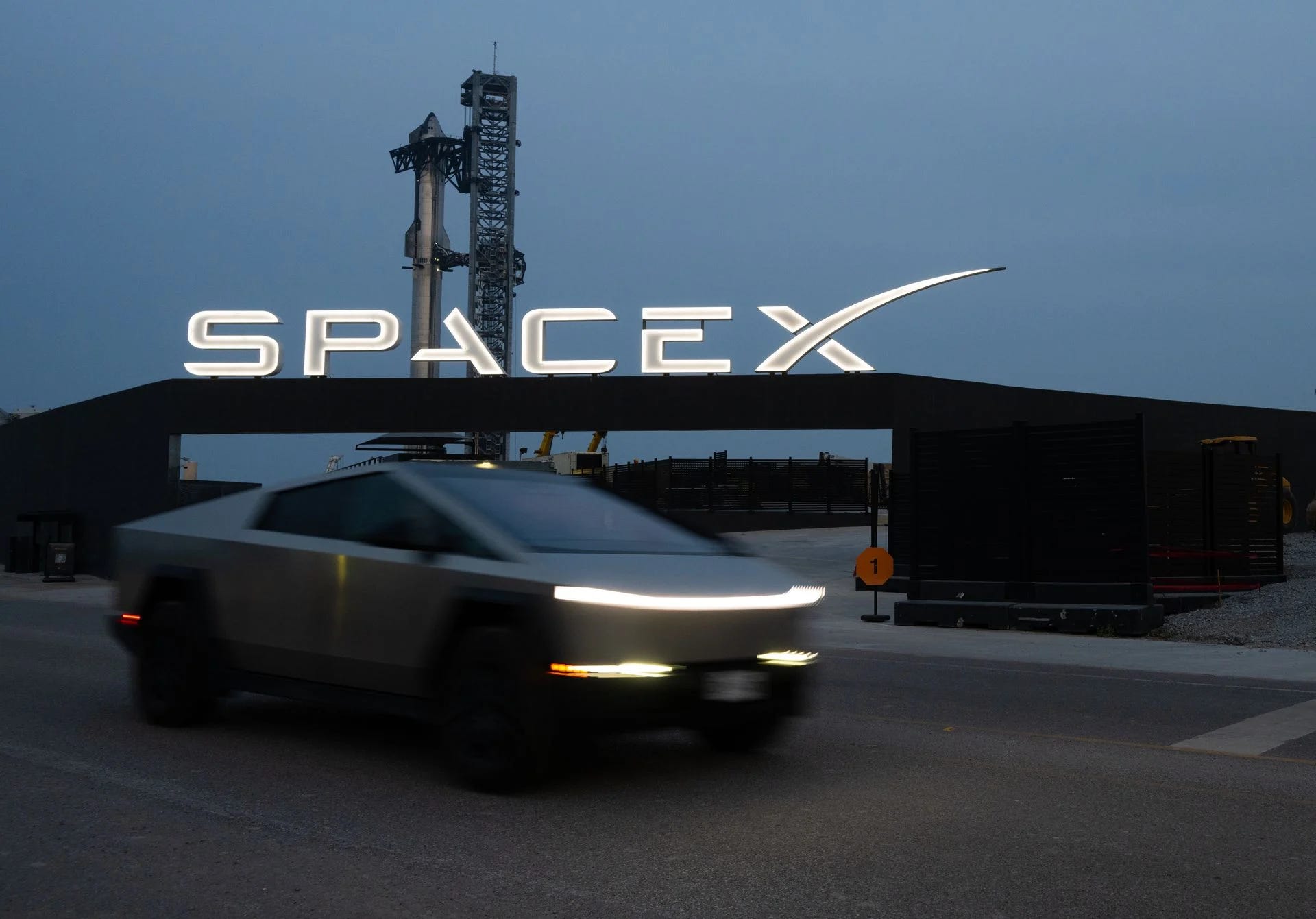
The water sourcing question matters because semiconductor fabrication is intensely water-dependent, and Central Texas has faced drought conditions in recent years. The Grimes County site was chosen partly for its proximity to existing SpaceX infrastructure and available land. Watch for permitting and environmental review timelines as the $16.8 billion figure implies a phased build starting no earlier than 2027. (Quartz)
CoreWeave Expands Into Asia-Pacific With 360 MW Indonesia Commitment
CoreWeave announced its expansion into Indonesia with three new data centers totaling 360 MW of contracted IT power, the AI cloud provider’s first presence in the Asia-Pacific region. The facilities are expected to come online in 2028. CoreWeave will own and operate the compute environment across all three sites while training a local operations team.
As of March 2026, CoreWeave operated 49 data centers worldwide with more than 1 GW of active power and more than 3.5 GW of contracted power. The company raised its full-year 2026 capital expenditure guidance to $35 billion to $39 billion following the announcement. Southeast Asia is one of the fastest-growing digital economies globally, and sovereign AI initiatives across the region are creating demand for local compute capacity that US-based hyperscalers have been slow to fill.
Indonesia has significant geothermal energy resources, which could supply clean baseload power for data center operations over time. No power sourcing details for the three sites have been disclosed. (CoreWeave)
US Battery Storage Reaches 52 GW as Pipeline Approaches 105 GW by 2028
The Energy Information Administration reported that US battery storage reached 52 GW of nameplate capacity by June 2026, after adding 8.3 GW in the first six months of the year. Battery storage is the technology that captures electricity from solar, wind, or the grid and releases it during high-demand periods. The sector has grown at an average annual rate of 70% over the past three years.
Operators have another 54 GW in the pipeline through 2028: 14 GW planned for the second half of 2026, 26 GW in 2027, and 14 GW in 2028. If those projects come online as scheduled, total US battery storage would exceed 105 GW by the end of 2028. Solar photovoltaic plants host the largest battery storage units, allowing operators to arbitrage wholesale electricity prices and absorb the evening ramp that occurs when solar generation drops and household demand peaks.
The growth also reflects AI data center demand. Grid operators increasingly require batteries at large load interconnection sites to manage the sudden load swings that NERC flagged in its 2026 State of Reliability report, where data centers shed more than 1 GW of demand within seconds of transmission disturbances. (MarketScale)
Have fun this weekend,
Will
Sources
PJM drops Oklo advanced nuclear project from interconnection study cycle | Utility Dive
Anthropic and Nscale strike $45 billion cloud deal, sources say | CNBC
Tesla and SpaceX to invest $16.8B in Terafab chip factory in Texas | Quartz
CoreWeave Expands AI Cloud Platform Into Indonesia | CoreWeave
U.S. grid batteries are set to top 100 GW by 2028, changing peak prices | MarketScale